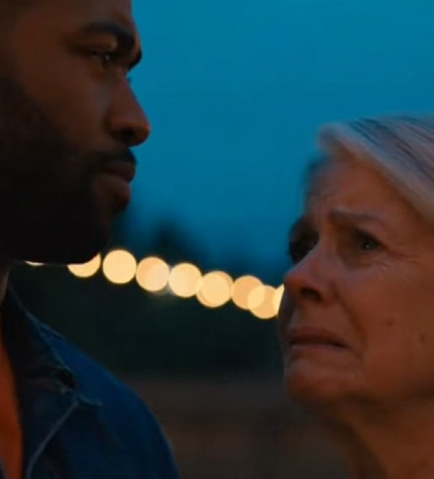
The slap cracked through the mansion like breaking glass.
Victoria Blake’s hand hovered near my face, still trembling with rage. “You’re lucky I don’t fire you right now,” she hissed, staring at the tea stain on her designer dress.
I didn’t flinch. The silver tray stayed steady in my hands.
“I’m sorry, ma’am. It won’t happen again.”
Her lips curled. “That’s what the last five maids said before they left crying.”
Richard Blake froze halfway down the marble staircase. For the first time, I saw uncertainty flash across his face.
“Victoria. Enough,” he said quietly.
She whirled on him. “Enough? This girl is incompetent—just like all the others.”
I stayed silent. Silence was my shield.
Later, in the kitchen, Mrs. Collins leaned close. “You’re brave. Most don’t last a week. Why are you still here?”
I aligned the silverware carefully. “Because I didn’t come here just to clean.”
She studied me, unsure if I was reckless or desperate.
I didn’t explain. Explanations become weapons.
Victoria’s cruelty had a pattern. She struck hardest when Richard was tired. She avoided the security office. She stopped her late-night phone calls when anyone walked by.
And sometimes, just for half a second, her mask slipped.
I survived longer than anyone expected. Her coffee arrived perfect. Dresses steamed before she demanded it. Jewelry laid out exactly right.
Every perfection stripped her of excuses.
Richard noticed. “She’s been here over a month. That’s… a record.”
Victoria’s laugh was tight. She hated it.
“You think you’re clever,” she whispered to me one morning, perfume sharp and suffocating. “You’ll break. They all do.”
I met her eyes for one steady second—then lowered mine.
That control irritated her more than any mistake.
I learned her schedule. Her habits. What she avoided.
One night, while she was out, I found it.
Hotel receipts in her closet. Photos. Another man’s name on credit card statements.
I didn’t take anything. I photographed it all.
Then I put everything back exactly where it was.
The next morning, I left a plain envelope on Richard’s desk.
Minutes later, porcelain shattered upstairs.
“ISABEL!”
I entered the study calmly.
Richard sat frozen, photos spread across his desk. “Where did you get this?”
“From your wife’s closet, sir. You deserved the truth.”
Silence crushed the air between us.
“You did what no one else could,” he said finally, voice hollow.
I didn’t smile.
When Victoria was confronted, she erupted—denial, rage, accusations flying like knives.
Then she turned on me.
“You think you’re smart?” she screamed, lunging toward me.
Richard stepped between us. “She didn’t destroy you, Victoria. You destroyed yourself.”
That was the moment she knew she’d lost.
Her lawyer called the next day. Divorce papers were filed by the end of the week.
Victoria left three days later, heels clicking down the marble like the end of a long nightmare. No apology. No goodbye.

Just gone.
The house breathed again.
Richard offered me a permanent position—estate administrator, triple my salary, full benefits.
I accepted without celebration.
“I still don’t understand how you survived her,” he admitted.
“I didn’t fight her,” I said. “I let her play until she lost.”
That night, my phone buzzed.
“It’s done. Are you safe?”
“Yes,” I typed back. “She’s gone. He knows everything.”
I wasn’t there just for the job.
I was there because two years ago, Victoria destroyed someone I loved—a friend who worked as her assistant. She broke her mentally, fired her without cause, and blacklisted her from every agency in the city.
No one believed my friend because she was “just staff.”
Victoria thought she was untouchable.
She thought cruelty had no consequences when you had money.
She was wrong.
The settlement was brutal. Richard kept the house, the accounts, everything. Victoria walked away with a fraction of what she thought she’d secured.
Her reputation followed her—former staff came forward once they knew someone had finally stood up. Stories surfaced. Patterns emerged.
She couldn’t get hired anywhere that mattered.
Six months later, I visited my friend. She was working again, smiling again, breathing again.
“You did it,” she whispered.
“We did it,” I said. “You survived her. I just made sure she couldn’t do it to anyone else.”
Justice doesn’t always come fast.
But when it comes, it’s worth the wait.